Tib e Nabvi Book by Allama Zahbi
Download the authentic Tib-e-Nabvi by Allama Zahabi in Urdu, available in high-quality PDF.
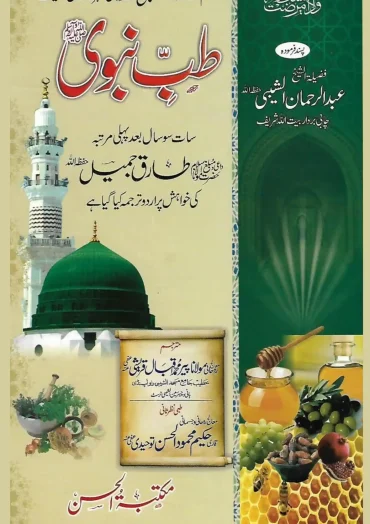
Download Tib e Nabvi Book PDF
Title: Tibb-e-Nabawi
Author: Imam Shamsuddin al-Zahabi (Allama Zahabi)
Urdu Translator: Peer Iqbal Qureshi (R.A.)
Origin: طب نبوی صلى الله عليه وسلم / مجربات و علاج
Publisher: مکتبہ الحسن
Publisher:
Categories: Prophetic Medicine / Tib
Original Work Language: Arabic
Origin: Classical Islamic medical literature
Available Languages: Urdu
Format: PDF
Pages: 257
Download Availability: Free for educational use
Study Use: Sunnah-based healing, herbal remedies, natural medicine, prophetic guidance
Suitable For: Students, Islamic studies readers, Tib learners, herbal medicine readers
Tib e Nabawi By Allama Zahabi
Tib-e-Nabwi by Allama Zahabi is a respected classical work on Prophetic Medicine, originally written in Arabic by Imam Shamsuddin al-Zahabi and translated into Urdu by Peer Iqbal Qureshi (R.A.). Published by مکتبہ الحسن, the 257-page book presents authentic teachings on health, healing, hygiene, and natural remedies practiced during the life of Prophet Muhammad ﷺ. It blends Islamic guidance with practical healing methods, making it a foundational text among Tib-e-Nabvi, Tib book, Hikmat, and traditional Islamic health sciences available on PDFedia.
Allama Shams ad-Din Al-Dhahabi
Allama Shams ad-Dīn Al-Dhahabi (1274–1348 CE) was a leading Sunni Islamic scholar, hadith expert, historian, and biographer from Damascus, Syria. Known for his sharp verification skills and research-based scholarship, he travelled across Islamic regions to master hadith sciences, fiqh, and Islamic history, eventually becoming a major reference point for later scholars like Ibn Kathir and Ibn Hajar al-Asqalani. A follower of the Shafi‘i school and the Athari creed, Al-Dhahabi is best known for his works Siyar A‘lam al-Nubala’, Mizan al-Itidal, and Tarikh al-Islam, which remain essential textbooks for evaluating hadith narrators and understanding classical Islamic history. His writing style focuses on authenticity, sanad analysis, narrator credibility, and historical context, making him a central figure in the preservation of Islamic knowledge and biographical literature.
Why This Book Is Helpful
This book is helpful because it simplifies Prophetic Medicine into easy, everyday guidance. Instead of technical medical terms, it explains natural remedies through familiar ingredients such as honey, black seed, olive oil, dates, cumin, ginger, garlic, saffron, and aloe vera. These remedies support digestion, immunity, skin health, mental clarity, and overall well-being. The teachings also highlight emotional balance, moderation, and cleanliness core elements of a holistic Islamic lifestyle. Each section provides clear explanations that readers can immediately apply in modern routines.
Who Should Read This Book
- Readers interested in Prophetic Medicine and Islamic healing traditions
- Students studying Unani medicine, Hikmat, or Tibb-e-Nabawi
- Hakims and herbal practitioners wanting authentic prophetic remedies
- Individuals seeking safe, natural, and home-based healing solutions
- Anyone wanting guidance on digestion, immunity, skin health, or mental clarity
- Readers looking for a holistic lifestyle rooted in Sunnah and natural wellness