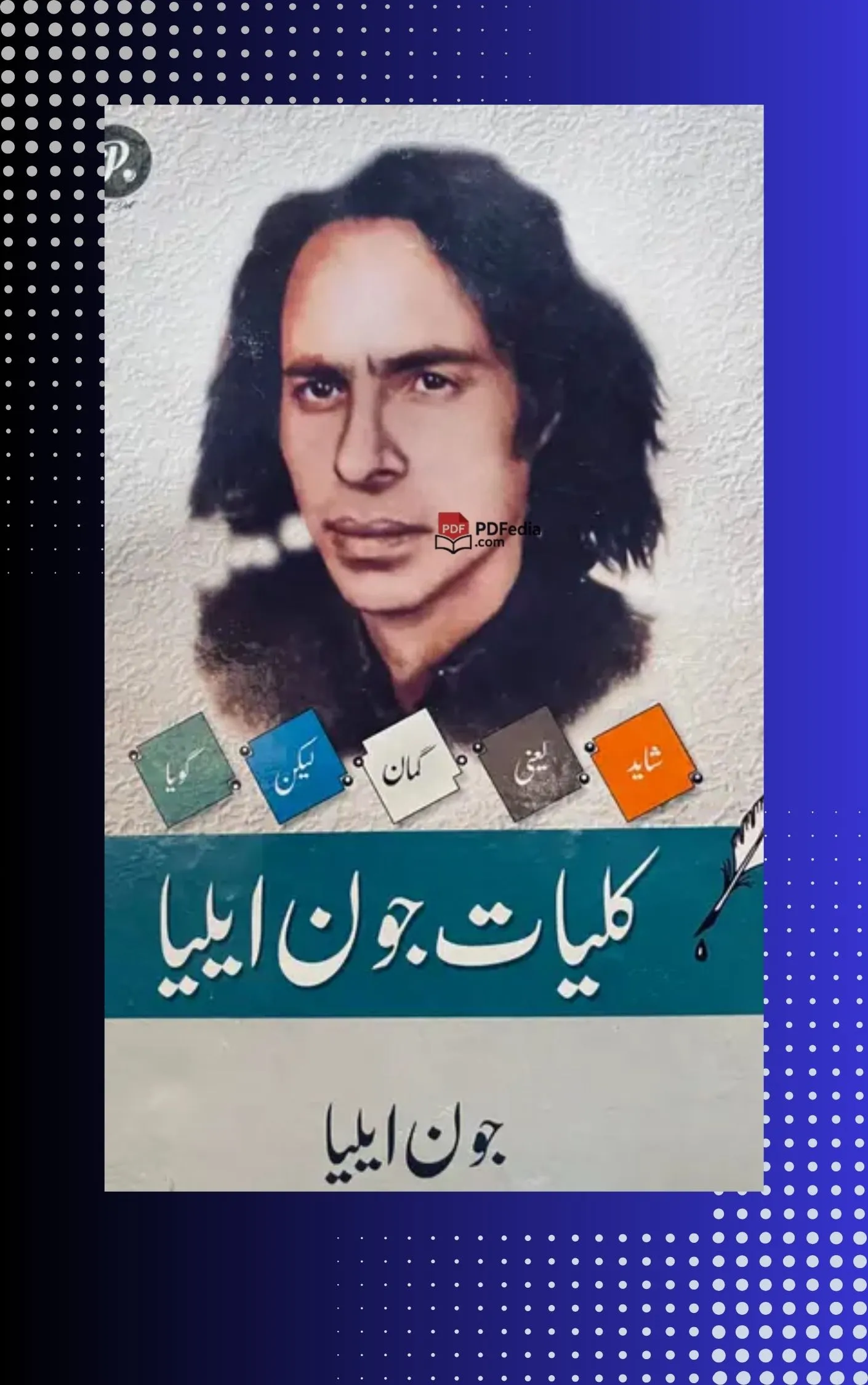
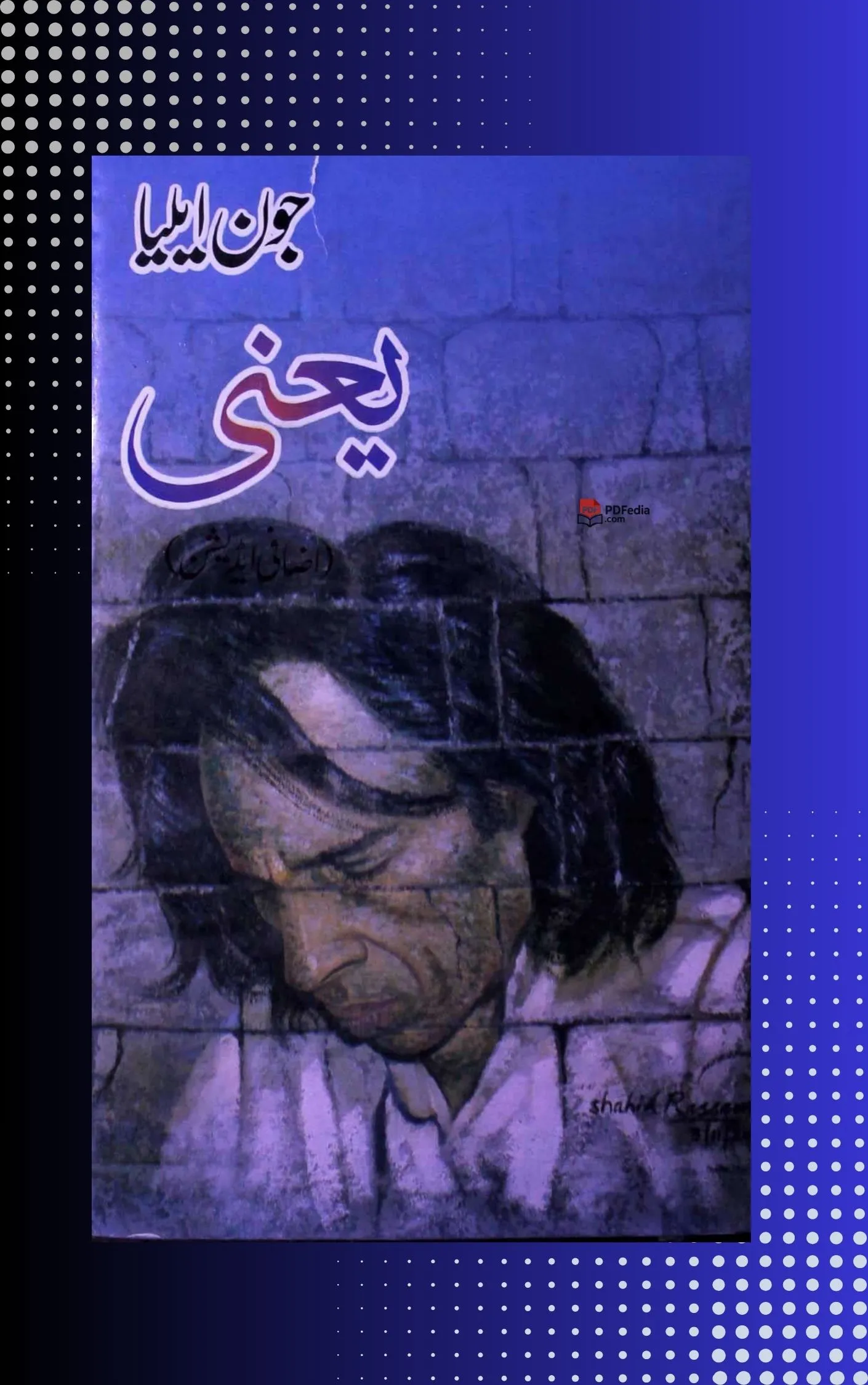
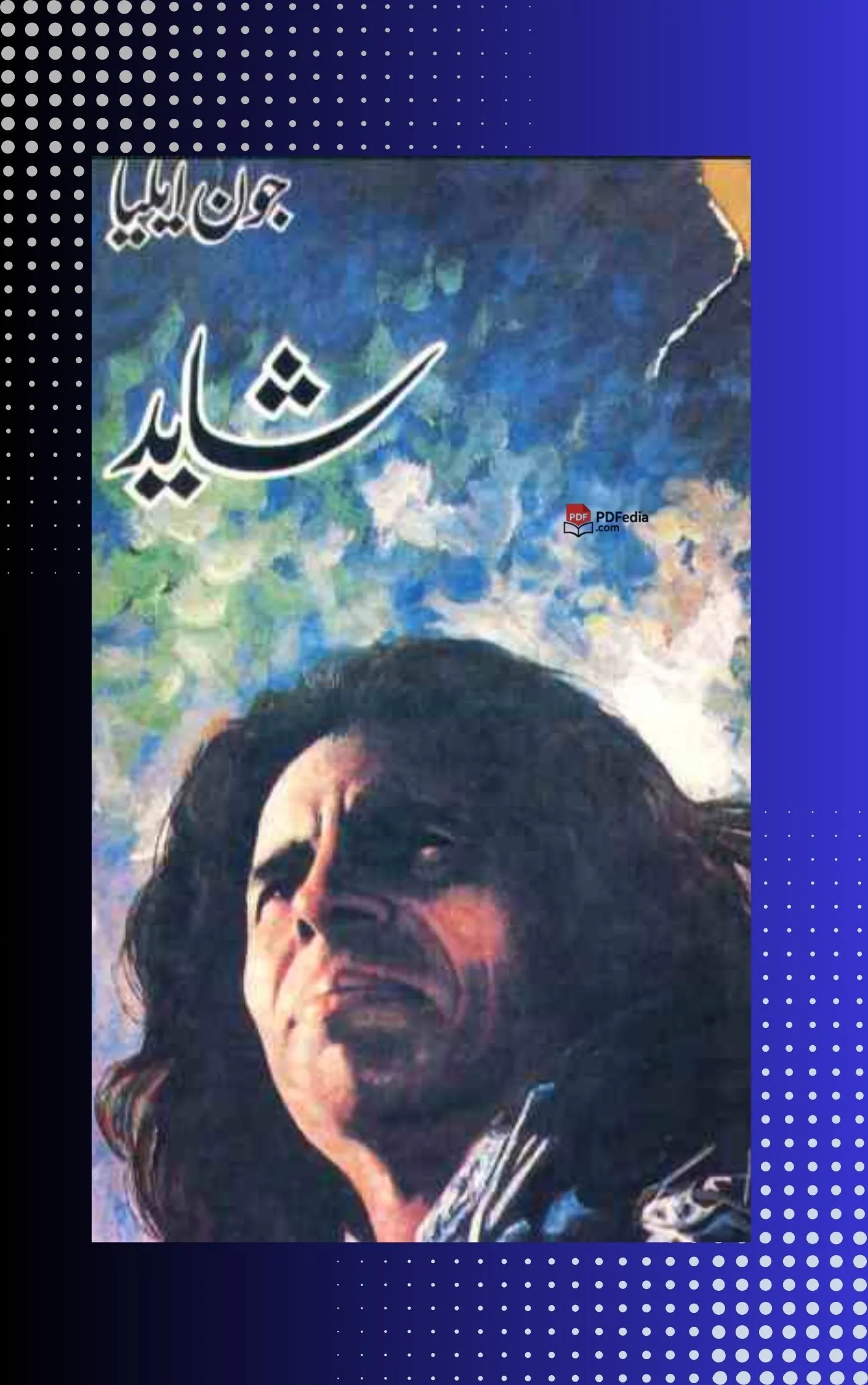
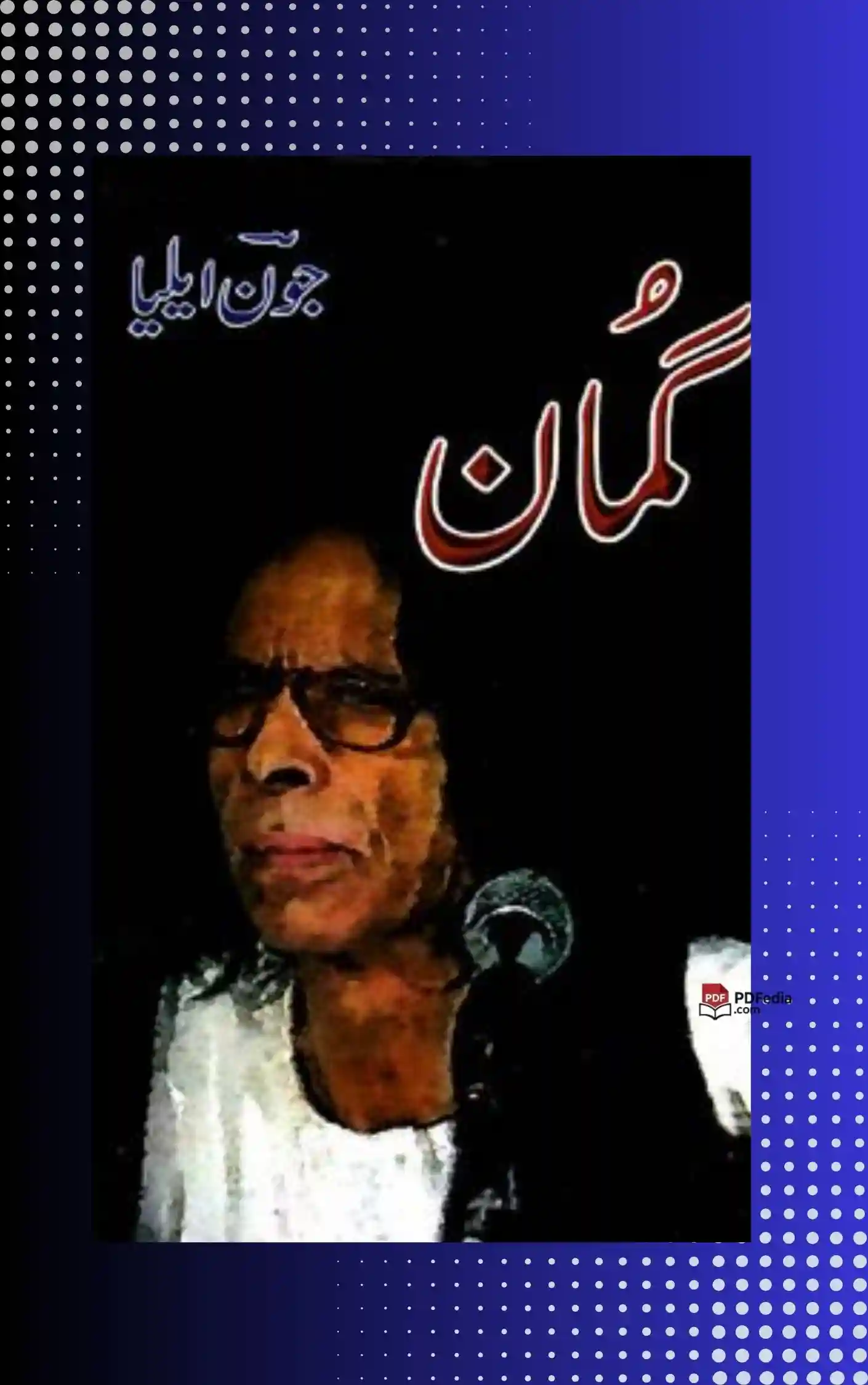
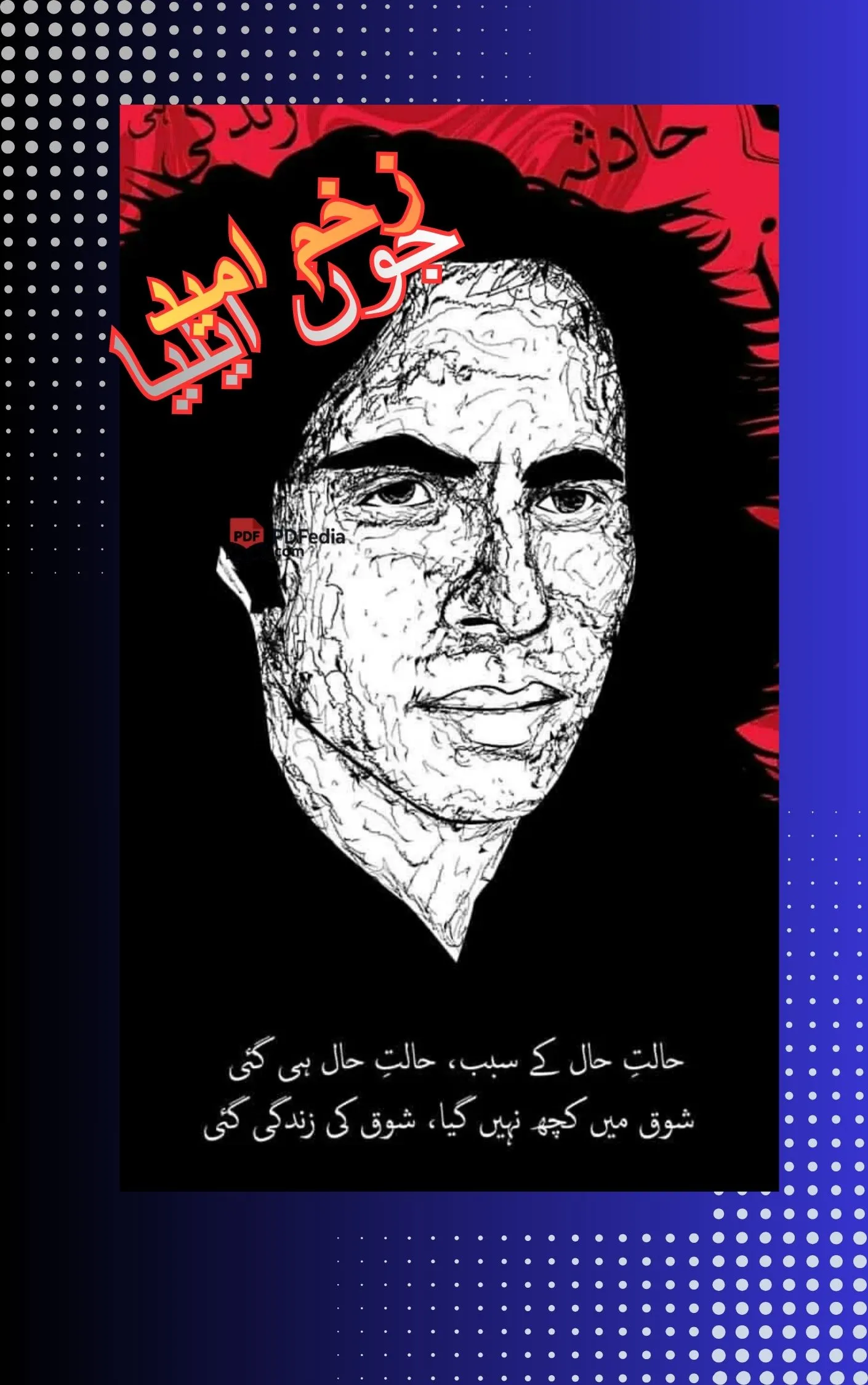
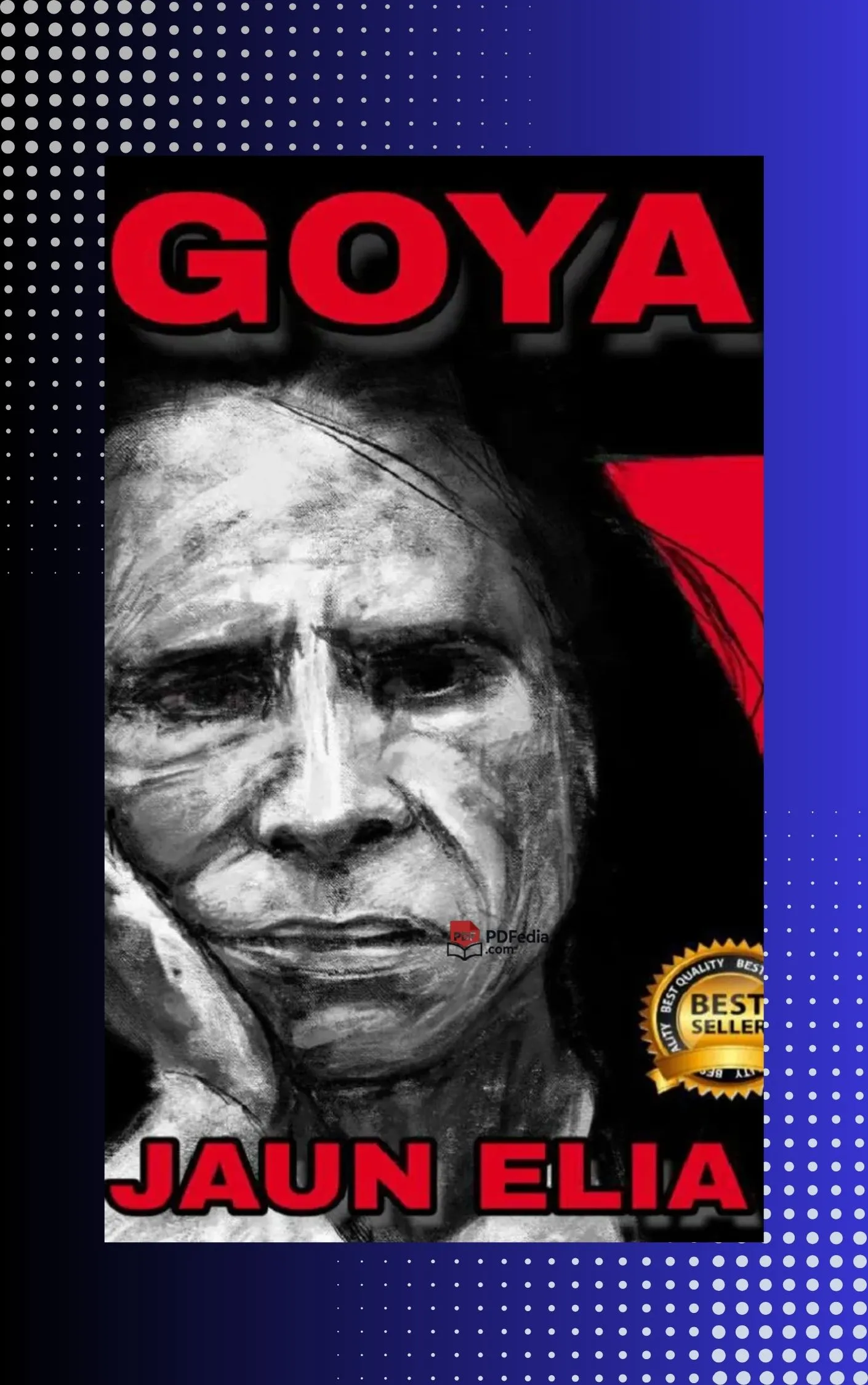
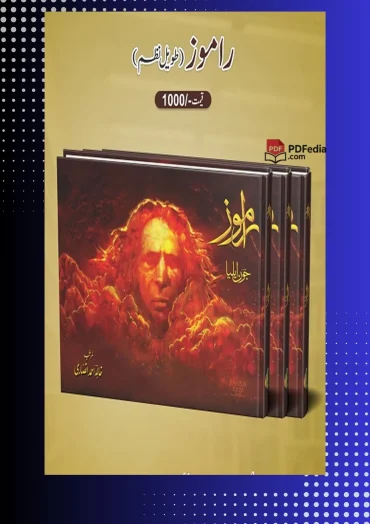
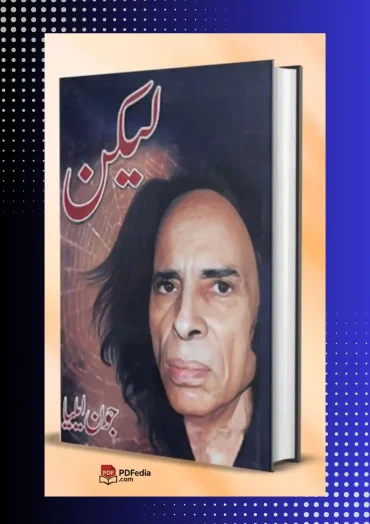
John Elia Poetry and writing Style
Jaun Elia poetry holds a unique place in Urdu literature. His verses feel personal, almost confessional, yet deeply philosophical. Whether it is sad poetry in Urdu by Jaun Elia, heart-touching ghazals, or two-line Urdu poetry, his words continue to resonate with readers across generations. People don’t just read Jaun Elia they feel him.
Jhon Elia
Jaun Elia was born on 14 December 1931 in Amroha, India, into a scholarly and literary family. His real name was Jaun Elia, and he carried that identity with intense pride, famously saying “Main jo hoon, Jaun Elia hoon.” After the partition of the subcontinent, he migrated to Karachi, Pakistan, where he spent most of his life.
Jaun Elia was not just a poet; he was a philosopher, historian, linguist, and intellectual. He had deep knowledge of Arabic, Persian, Hebrew, and classical Islamic philosophy. Despite this vast scholarship, his life was marked by emotional unrest, dissatisfaction, and a sense of permanent exile themes that later became the backbone of his poetry.
He passed away in 2002, but his voice only grew stronger after his death. Today, Urdu poetry lovers, especially the younger generation, connect with his words more than ever.
Why People love his Books
Readers are drawn to Jaun Elia’s books because he expresses thoughts that many people feel but hesitate to say out loud. His fearless honesty gives readers a sense of relief, especially those dealing with inner conflicts and unanswered questions. The emotional power of his poetry feels genuine rather than dramatic, which is why Jaun Elia’s best poetry in Urdu remains timeless instead of following temporary trends. His short, impactful two-line verses make reading effortless and memorable, allowing readers to return to his words during moments of sadness or quiet reflection. Younger readers, in particular, feel a strong connection with Jaun Elia’s sad poetry in Urdu text, as it speaks openly about confusion, broken relationships, identity struggles, and emotional fatigue. At the same time, his poetry is highly quotable and easy to share, whether in personal messages, notebooks, or social platforms, because his lines feel less like borrowed words and more like personal truths.
Jaun Elia poetry is not about pleasing the reader; it is about truth. His books don’t promise happiness, they offer understanding. That is why, even today, people say they don’t just read Jaun Eli they recognize themselves in him.